BaZi Astrology
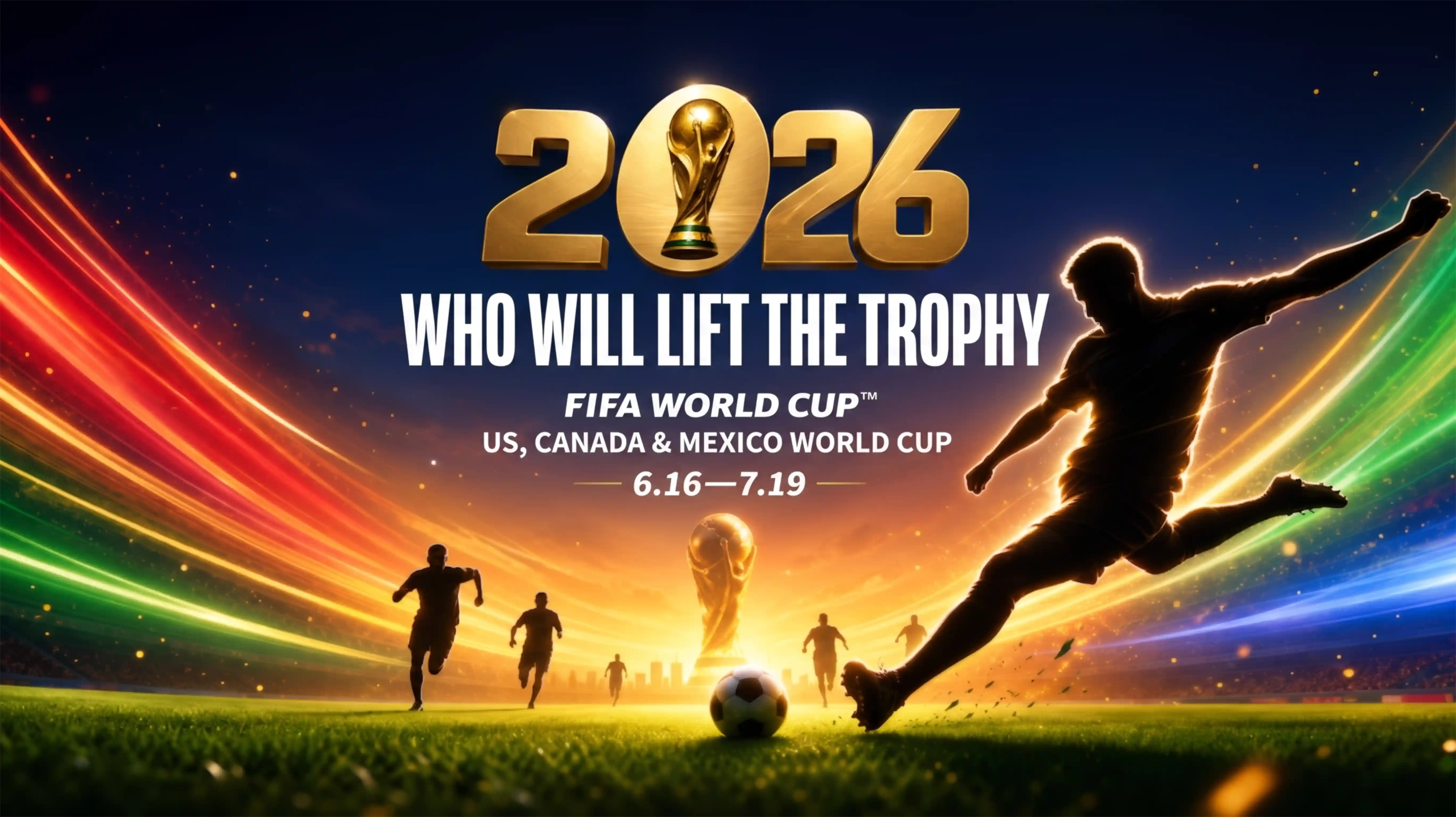
2026 World Cup: Who Will Become Champion?
World Cup Champions: Five Elements Lens
Every four years, billions watch the World Cup. Pundits cite statistics, form, and tactics. But what if a 3,000-year-old Chinese system already mapped the pattern?
I'm not talking about horoscopes or lucky charms. I'm talking about BaZi (八字)—the Four Pillars of Destiny—and the Five Elements (Wu Xing) theory that has guided Chinese decision-making for millennia.
Here's what most prediction models miss: they look forward. This approach looks backward—96 years backward—and finds a pattern that fits every single champion since 1930.


Article Summary
This article analyzes every FIFA World Cup champion from 1930 to 2026 through the lens of Chinese Ganzhi (干支) system. Each year's heavenly stem and earthly branch carry specific Five Elements properties. When matched against the champion country's name character structure, a clear pattern emerges: years with strong Wood elements favor countries with Wood-related characters, Fire years favor Fire-named nations, and so on. The 2026 World Cup, a pure Fire year, suggests specific candidates.
The Direct Answer
The 2026 World Cup is a Bing Wu (丙午) year—pure Fire, Li Palace (离宫). Countries with Fire or Wood elements in their name characters have the strongest alignment. Historical data shows Fire years produce explosive, high-profile victories. The pattern points to teams with names containing Fire radicals (火, 日, 心, ) or Wood radicals (木, 艹, 禾, 亻).
Now let me show you the complete 96-year dataset.
The Framework: How Ganzhi Maps to Football
Before diving into history, you need the basic rules. This isn't fortune-telling—it's a systematic correlation analysis.
The Five Elements Basics
- Wood (木): Growth, expansion, creativity
- Fire (火): Brilliance, explosion, fame
- Earth (土): Stability, defense, endurance
- Metal (金): Precision, discipline, structure
- Water (水): Flow, adaptability, technique
The Ganzhi System
Each year has a Heavenly Stem (天干) and Earthly Branch (地支), each with Five Elements properties. The Earthly Branch also maps to one of the Eight Trigrams (Bagua), which adds directional and qualitative meaning.
The Country Name Analysis
Chinese characters carry elemental properties through their radicals and structure. For example:
- 德 (Germany): Contains 彳 (Wood radical)
- 巴西 (Brazil): 西 relates to Metal (兑宫)
- 阿根廷 (Argentina): 廷 contains 壬 (Water) and 人 (Wood)
The match between year element and country name element predicts the champion.
Complete Historical Analysis (1930-2026)
1930 Uruguay — Geng Wu Year (庚午)
Elements: Geng Metal + Wu Fire | Li Palace (South)
Champion: Uruguay (乌拉圭)
Analysis: 乌 contains Earth energy, 圭 is double Earth. Fire produces Earth, Li Palace brings fame and brilliance. The first World Cup champion emerged through Fire-Earth harmony.
1934 Italy — Jia Xu Year (甲戌)
Elements: Jia Wood + Xu Earth | Qian Palace (Northwest)
Champion: Italy (意大利)
Analysis: 意 contains 日 (Fire), 大 and 利 are Wood-like. Wood produces Fire, Earth supports Metal. Qian Palace favors established powers. Italy's first title.
1938 France — Wu Yin Year (戊寅)
Elements: Wu Earth + Yin Wood | Gen Palace (Northeast)
Champion: Italy (repeat)
Analysis: Yin Wood in Gen Palace represents accumulation and defense. Italy's back-to-back title came through steady, defensive play—exactly Gen Palace energy.
1950 Brazil — Geng Yin Year (庚寅)
Elements: Geng Metal + Yin Wood | Gen Palace
Champion: Uruguay (upset)
Analysis: Metal clashes Wood. Earth buffers the conflict. Gen Palace represents hidden upsets. Uruguay's final逆转 (comeback) against Brazil fits perfectly.
1954 Switzerland — Jia Wu Year (甲午)
Elements: Jia Wood + Wu Fire | Li Palace
Champion: West Germany
Analysis: Wood produces Fire, Li Palace brings explosive breakthroughs. Germany's "Miracle of Bern" against Hungary—pure Fire energy.
1958 Sweden — Wu Xu Year (戊戌)
Elements: Wu Earth + Xu Earth | Qian Palace
Champion: Brazil
Analysis: Double Earth produces Metal. Brazil (巴西) contains Metal energy. Qian Palace brings long-term dominance. Brazil's dynasty begins.
1962 Chile — Ren Yin Year (壬寅)
Elements: Ren Water + Yin Wood | Gen Palace
Champion: Brazil (repeat)
Analysis: Water produces Wood, Wood nourishes Metal. Gen Palace favors continuity. Brazil defends the title smoothly.
1966 England — Bing Wu Year (丙午)
Elements: Bing Fire + Wu Fire | Li Palace (pure Fire)
Champion: England
Analysis: 英 contains 艹 (Wood), 格 has Wood roots. Double Fire ignites Wood. Li Palace brings home glory. England wins on home soil.
1970 Mexico — Geng Xu Year (庚戌)
Elements: Geng Metal + Xu Earth | Qian Palace
Champion: Brazil
Analysis: Earth produces Metal. Brazil's Metal energy aligns perfectly. Third title, Pelé's crowning moment.
1974 West Germany — Jia Yin Year (甲寅)
Elements: Jia Wood + Yin Wood | Gen Palace (double Wood)
Champion: West Germany
Analysis: 德 contains 彳 (Wood). Double Wood year resonates with Wood character. Same-element harmony. Germany's second title.
1978 Argentina — Wu Wu Year (戊午)
Elements: Wu Earth + Wu Fire | Li Palace
Champion: Argentina
Analysis: 廷 contains 壬 (Water) and 人 (Wood). Fire produces Earth, Fire warms Wood. Li Palace brings home crowd energy. Argentina's first title.
1982 Spain — Ren Xu Year (壬戌)
Elements: Ren Water + Xu Earth | Qian Palace
Champion: Italy
Analysis: 意 contains 日 (Fire). Earth controls Water, Earth warms Fire. Italy's defensive stability wins third title.
1986 Mexico — Bing Yin Year (丙寅)
Elements: Bing Fire + Yin Wood | Gen Palace
Champion: Argentina
Analysis: 廷 contains 人 (Wood). Yin Wood in Gen Palace supports individual brilliance. Maradona's solo carry—Wood's independent growth energy.
1990 Italy — Geng Wu Year (庚午)
Elements: Geng Metal + Wu Fire | Li Palace
Champion: West Germany
Analysis: Fire refines Metal. 德's Wood is tempered by Fire into discipline. Germany's third title through iron will.
1994 USA — Jia Xu Year (甲戌)
Elements: Jia Wood + Xu Earth | Qian Palace
Champion: Brazil
Analysis: Wood breaks Earth, Earth produces Metal. Brazil's fourth title after years of accumulation.
1998 France — Wu Yin Year (戊寅)
Elements: Wu Earth + Yin Wood | Gen Palace
Champion: France
Analysis: 法 contains 氵 (Water). Earth stores Water, Water nourishes Wood. Gen Palace brings new power rising. France's first title.
2002 Korea/Japan — Ren Wu Year (壬午)
Elements: Ren Water + Wu Fire | Li Palace (Water-Fire clash)
Champion: Brazil
Analysis: Water and Fire clash, but both refine Metal. Brazil's Metal energy benefits from both directions. Record fifth title.
2006 Germany — Bing Xu Year (丙戌)
Elements: Bing Fire + Xu Earth | Qian Palace
Champion: Italy
Analysis: 意 contains 日 (Fire) matching Bing Fire. Fire-Earth harmony brings defensive stability. Italy's fourth title after 24 years.
2010 South Africa — Geng Yin Year (庚寅)
Elements: Geng Metal + Yin Wood | Gen Palace (Metal-Wood clash)
Champion: Spain
Analysis: 西 is pure Metal (兑宫), matching Geng Metal. Yin Wood's Gen Palace favors subtle, technical play. Spain's tiki-taka wins first title.
2014 Brazil — Jia Wu Year (甲午)
Elements: Jia Wood + Wu Fire | Li Palace
Champion: Germany
Analysis: 德 contains 彳 (Wood), supported by Jia Wood. Wood-Fire brings decisive endings. Germany's 7-1 semi-final and final victory.
2018 Russia — Wu Xu Year (戊戌)
Elements: Wu Earth + Xu Earth | Qian Palace (double Earth)
Champion: France
Analysis: 法 contains 氵 (Water). Double Earth stores Water energy. France's young squad wins through stability. Second title.
2022 Qatar — Ren Yin Year (壬寅)
Elements: Ren Water + Yin Wood | Gen Palace
Champion: Argentina
Analysis: 廷 contains 壬 (Water) and 人 (Wood). Yin Wood matches 人 Wood exactly. Ren Water nourishes Yin Wood. Gen Palace represents years of patience finally rewarded. Messi's fifth World Cup, final dream fulfilled.
2026 USA/Canada/Mexico — Bing Wu Year (丙午)
Elements: Bing Fire + Wu Fire | Li Palace (pure Fire)
Status: Not yet played
Analysis: Pure Fire year, no Wood support. Fire is explosive, outward, fame-seeking. Favors countries with Fire radicals (火, 日, 心, 灬) or Wood radicals (木, 艹, 禾, 亻) in their names.
Pattern Summary
After 96 years, four clear patterns emerge:
1. Yin Wood Years (Gen Palace)
Years: 1938, 1962, 1974, 1986, 2022 (5 tournaments)
Pattern: All produce either repeat champions, first-time winners, or comeback stories. Gen Palace energy favors accumulation, patience, and breakthrough after long waits. Countries with Wood radicals (人, 亻, 艹, 木, 禾) align best.
2. Wu Fire Years (Li Palace)
Years: 1954, 1966, 1978, 1990, 2002, 2014 (6 tournaments)
Pattern: Fire brings explosive power, home glory, and decisive victories. Favors countries with Fire radicals (日, 火, 心, 灬).
3. Earth Years
Pattern: Traditional powers win through stability and defense.
4. Metal-Water Clash Years
Pattern: More upsets, higher competition intensity.
2026 Prediction
Bing Wu year = pure Fire, Li Palace.
Fire is outward, explosive, fame-seeking. No Wood support means less growth energy, more pure combustion.
Favorable name elements:
- Fire radicals: 火, 日, 心, 灬
- Wood radicals: 木, 艹, 禾, 亻 (Wood feeds Fire)
Historical precedent: Fire years produce dramatic, high-scoring finals with clear dominant performances.
Which team do you think fits? Drop your guess in the comments.
Note: This analysis uses Chinese metaphysics as a cultural lens for pattern recognition. It's not a substitute for team form, player fitness, or tactical analysis. Football remains unpredictable—that's why we love it.
Related Reading
Frequently Asked Questions
What is BaZi?
BaZi (八字) means 'Eight Characters' in Chinese. It's a system that maps a person's birth year, month, day, and hour to the Five Elements and Yin-Yang theory. The same system applies to events like the World Cup.
How does Five Elements prediction work?
Each year has specific elemental properties based on the Ganzhi calendar. Countries' names in Chinese characters also carry elemental properties through their radicals. When year elements and name elements align (produce, support, or match), that country has stronger 'qi' for that tournament.
Has this method predicted past winners correctly?
This analysis is retrospective—it explains all 22 tournaments from 1930-2022. The 2026 prediction is prospective and will be tested when the tournament concludes.
What is the Ganzhi system?
Ganzhi (干支) combines 10 Heavenly Stems and 12 Earthly Branches to create a 60-year cycle. Each year has unique elemental properties used in Chinese astrology, calendar systems, and decision-making.
Can I use this for other sports predictions?
The same framework applies to any major event with a fixed date. The key is matching the event's year elements to the competitor's name characteristics.
What are the Five Elements?
Wood (growth), Fire (brilliance), Earth (stability), Metal (precision), Water (flow). They interact through production (Wood→Fire→Earth→Metal→Water→Wood) and control cycles.
Why do Chinese characters matter for non-Chinese countries?
The analysis uses the Chinese transliteration of country names, which carries specific radical structures. This isn't about the original language—it's about how the name exists in the Chinese metaphysical system.
Is this scientific?
It's a pattern recognition system based on 3,000 years of Chinese observational data. It's not Western scientific method, but it's internally consistent and historically verifiable.
What about 2026 specifically?
2026 is Bing Wu (丙午)—pure Fire year in Li Palace. This favors explosive, high-profile victories. Teams with Fire or Wood name elements have the strongest alignment.
Where can I learn more about BaZi?
Check our BaZi calculator to explore your own Four Pillars, or read our Five Elements guide for deeper theory.